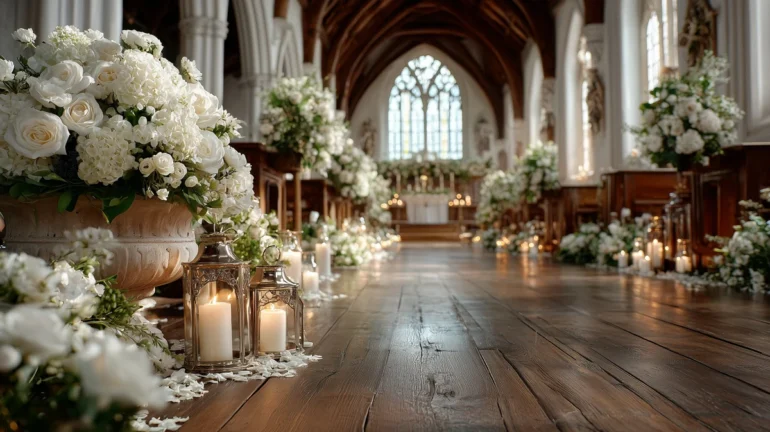
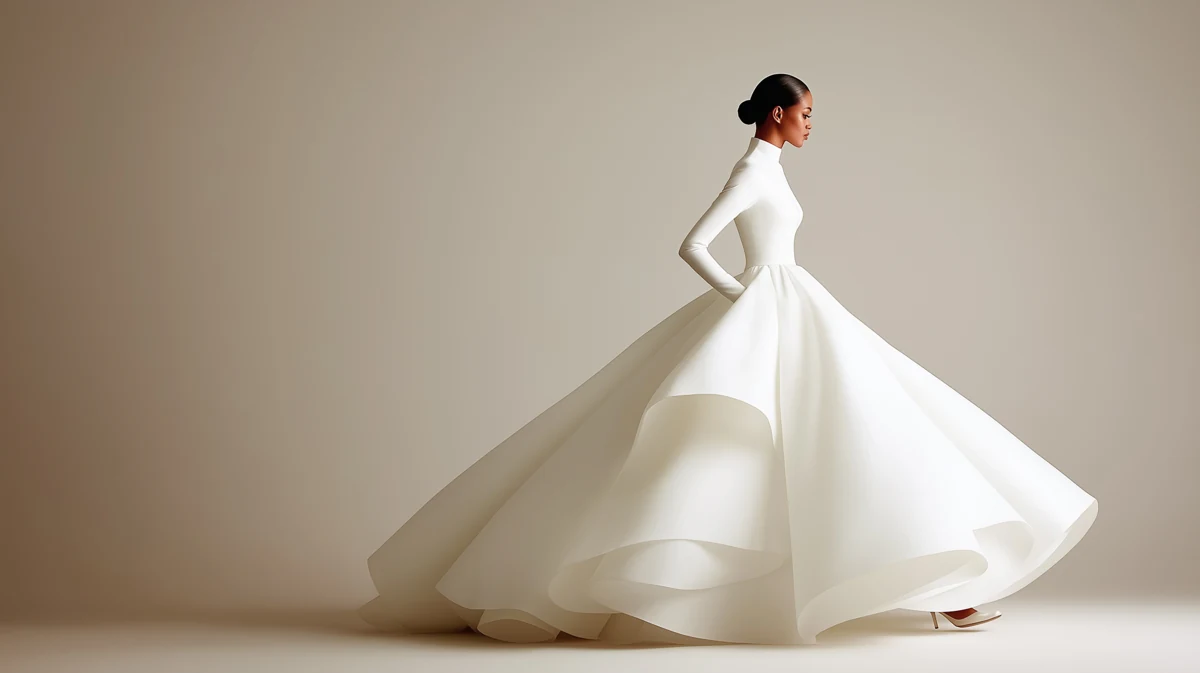
The American bridal industry is more than commerce. It is a mirror that has, across centuries, reflected how women see themselves in the world and how the world, in turn, has seen them. From the modest trousseau of the colonial era to the couture crescendo of a Parisian runway finale, bridal fashion has evolved with breathtaking fluency alongside culture, commerce, and even controversy. And through it all, one constant has held: if you are, as I am, a romantic loyal to tradition, you know that white endures. Not because it must, but because it began as the industry’s ultimate fashion statement: simple, striking and utterly unforgettable.
The Modest Beginnings
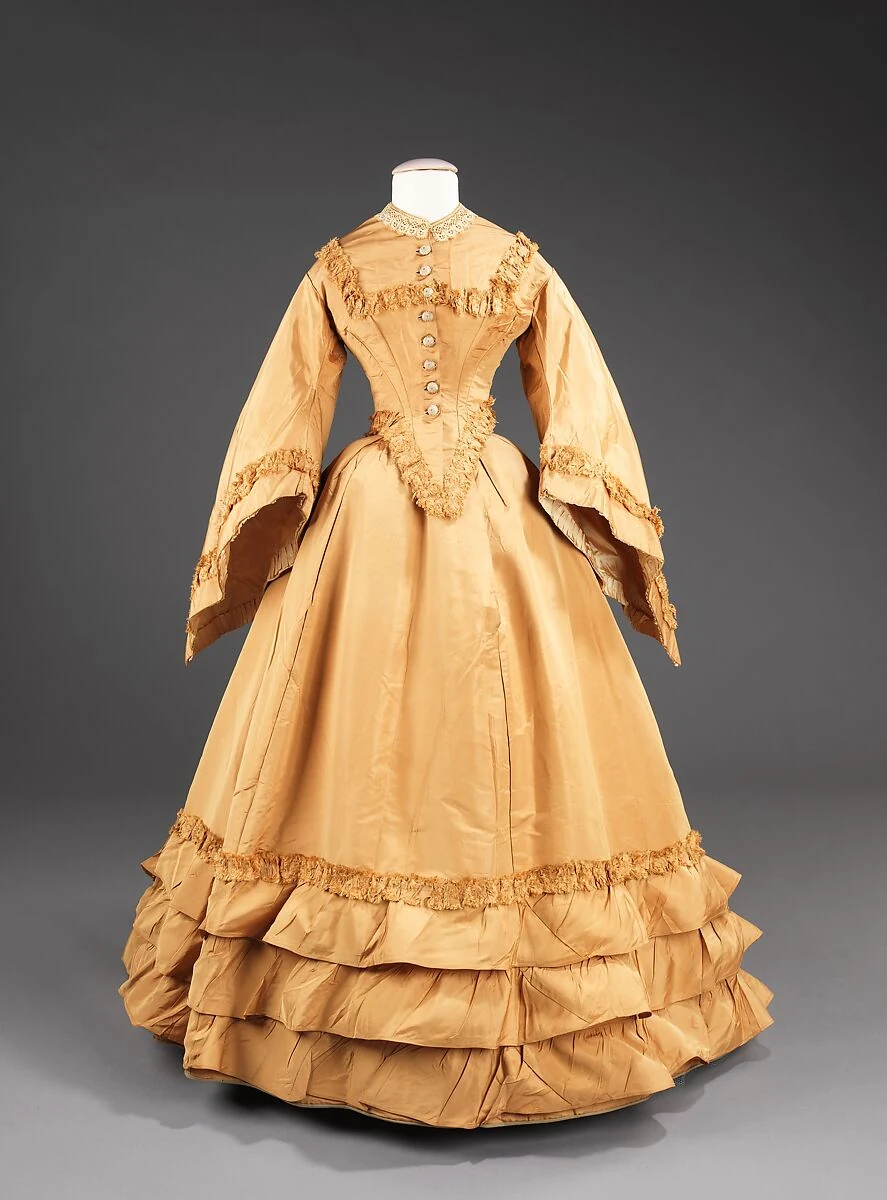
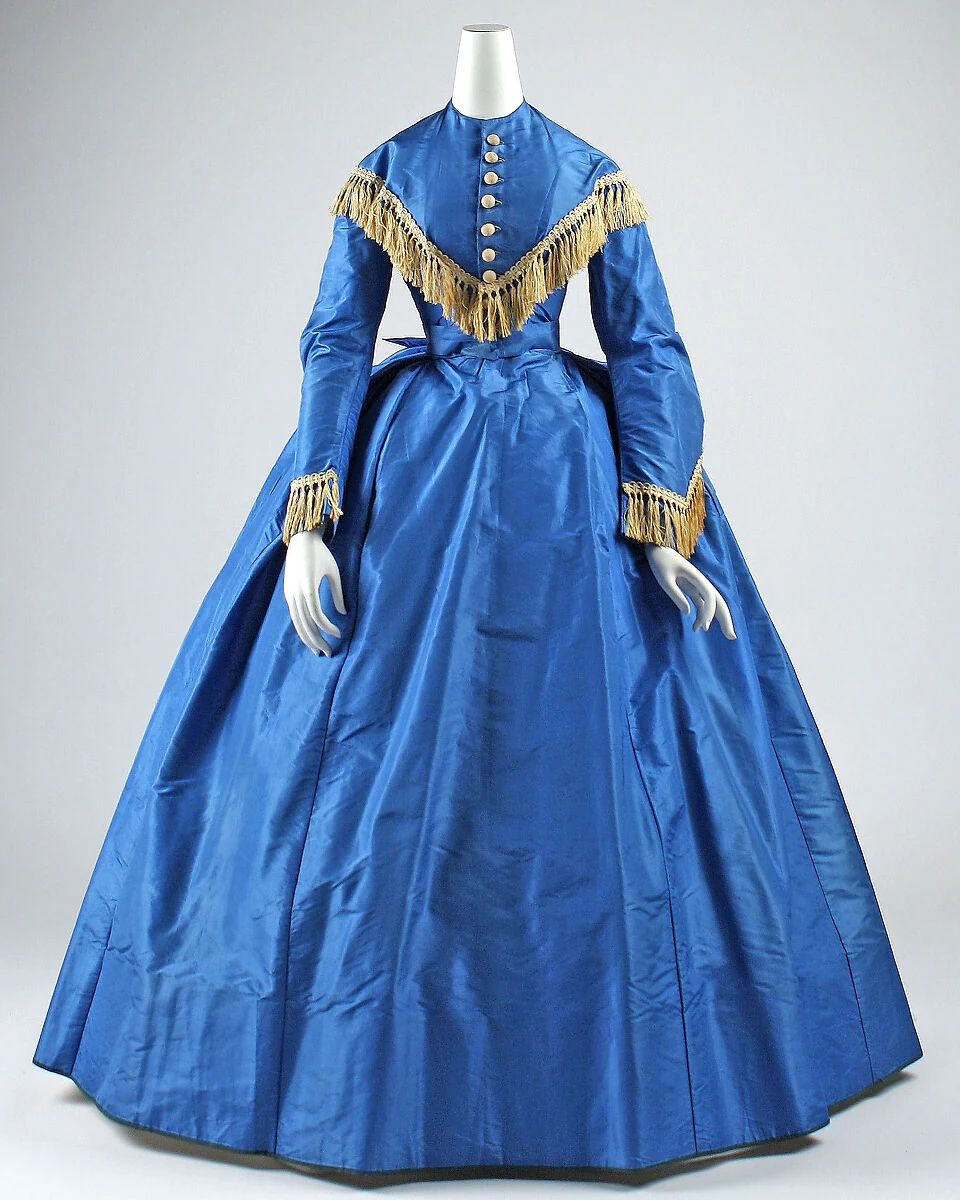
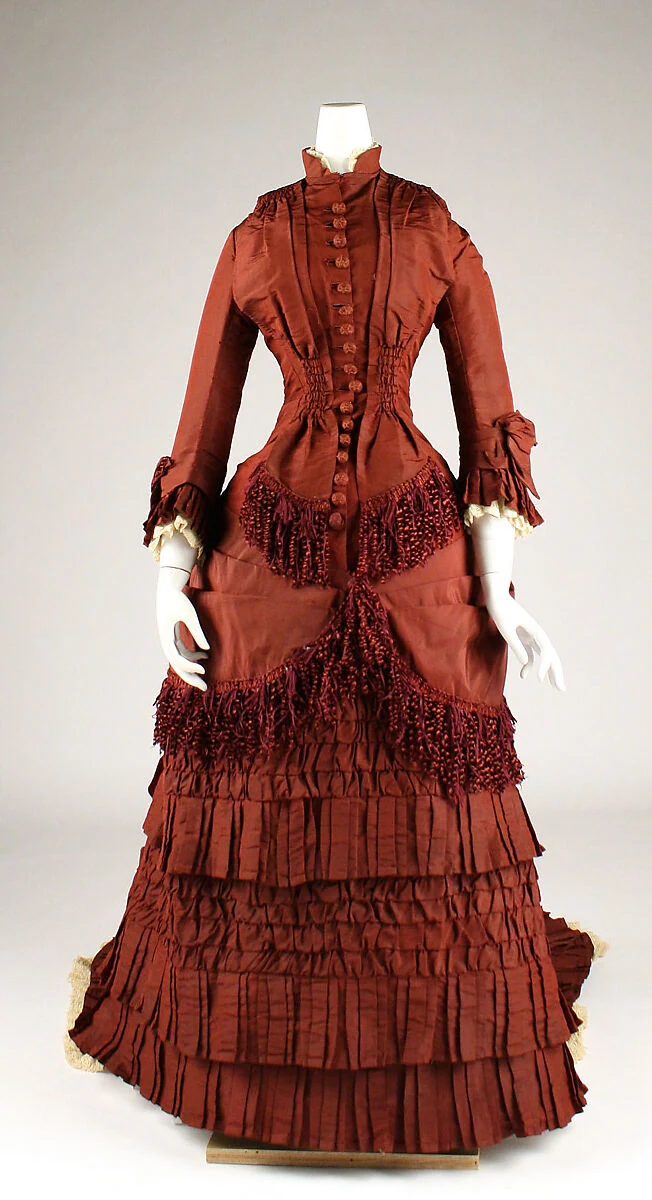
Before the mid-19th century, the American wedding was a quieter affair; intimate, practical, and far less theatrical than the spectacle it would later become. Brides did not shop for gowns; they dressed in whatever constituted their finest garment. Colors, often rendered in earthy browns, deep navies, rich burgundies, or dignified grays, served the occasion. These were dresses worn again on Sundays, at socials, and at christenings. Nothing was wasted; everything was honored.
But do not mistake simplicity for poverty of spirit. Within those modest silhouettes lived a treasure trove of intention: handcrafted trim, heirloom lace, carefully preserved accessories passed from mother to daughter like scripture. If the wedding dress of this era was unspectacular by modern standards, it was rich in the language it spoke: of partnership, of family alliance, of a life being joined to another with practical devotion rather than fantasy and fanfare.
The Birth of the White Wedding
It often takes a single, audacious choice to alter the course of history. On February 10th, 1840, Queen Victoria married Prince Albert in the Chapel Royal at St. James’s Palace and, in doing so, transformed the imagination of brides across two continents.
Victoria walked the aisle in a white silk satin gown adorned with a deep flounce of handmade Honiton lace. She had commissioned the lace specifically to revive the struggling lace-making industry in Devon, England. The choice was deliberate on multiple fronts: patriotic, political, and profoundly fashionable. She wore orange blossoms in her hair, a sapphire brooch gifted by Albert at her breast, and a train that required twelve attendants to carry its nearly six-yard length down the aisle. In her diary, Victoria described it simply:
“I wore a white satin gown with a very deep flounce of Honiton lace, imitation of old. My jewels were my Turkish diamond necklace and earrings, and Albert’s beautiful sapphire brooch.” — Queen Victoria, diary entry, February 10, 1840 (Esher 318)
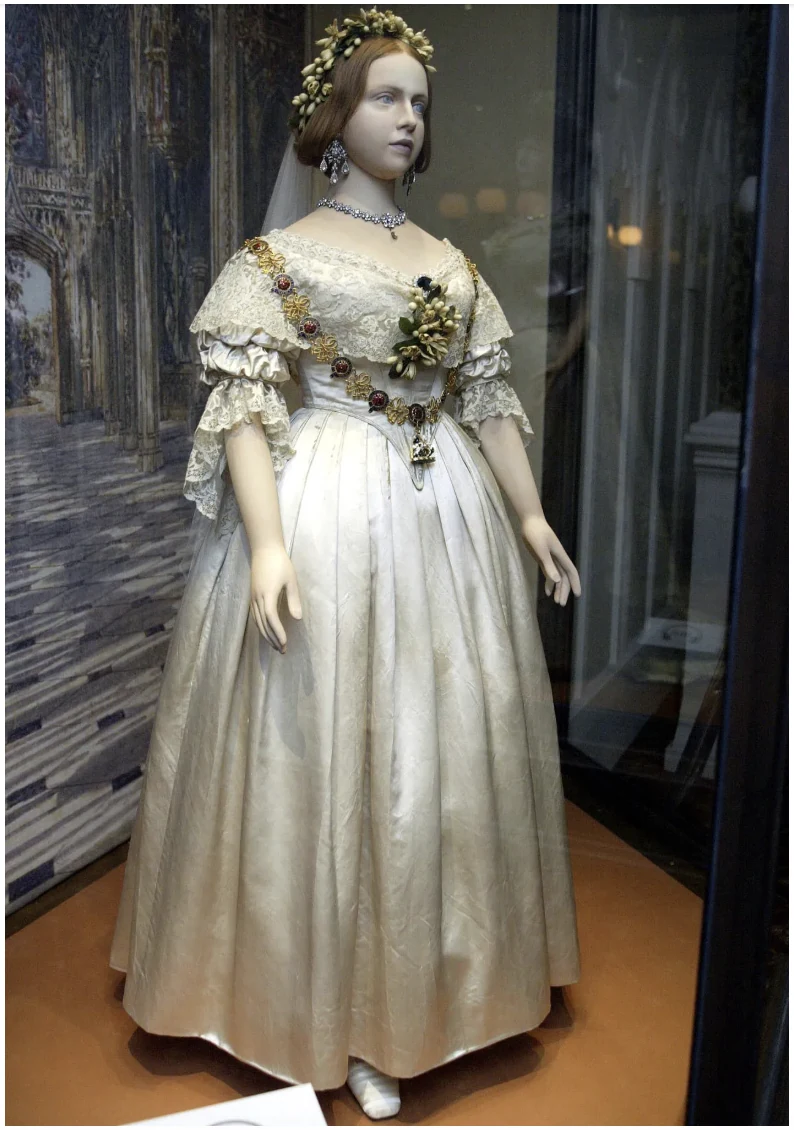
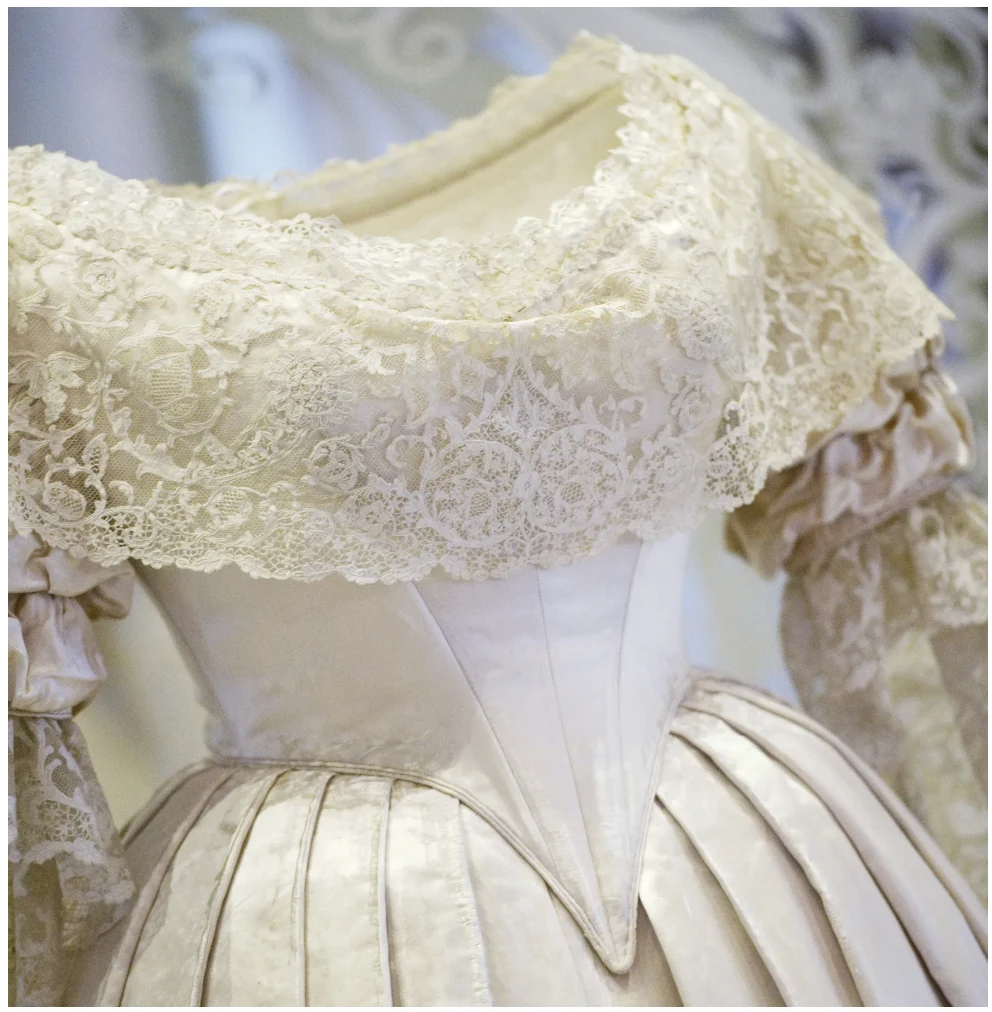
That restraint, that elegant understatement, was itself revolutionary. Previous royal brides had adorned themselves in silver, gold, and velvet robes of state. Victoria arrived not as a monarch performing a ceremony, but as a woman marrying the love of her life. The public received it as a radical act of romantic modernism. The portrait traveled. The illustrated press carried it into parlors across England and America alike. A new bridal ideal had been born.
Within a decade, white had been mythologized. What began as a deliberate aesthetic and patriotic choice was swiftly recast by magazines like Godey’s Lady’s Book as an emblem of purity and virtue. The symbolism came after the trend, layered onto a fashion statement that had already taken magnificent hold. White, once impractical and elitist, became aspirational. What once signaled wealth and refinement now carried moral weight, and all who wished to embrace it could. Victoria had, without intending to, democratized an ideal.
The Rise of the American Bridal Industry
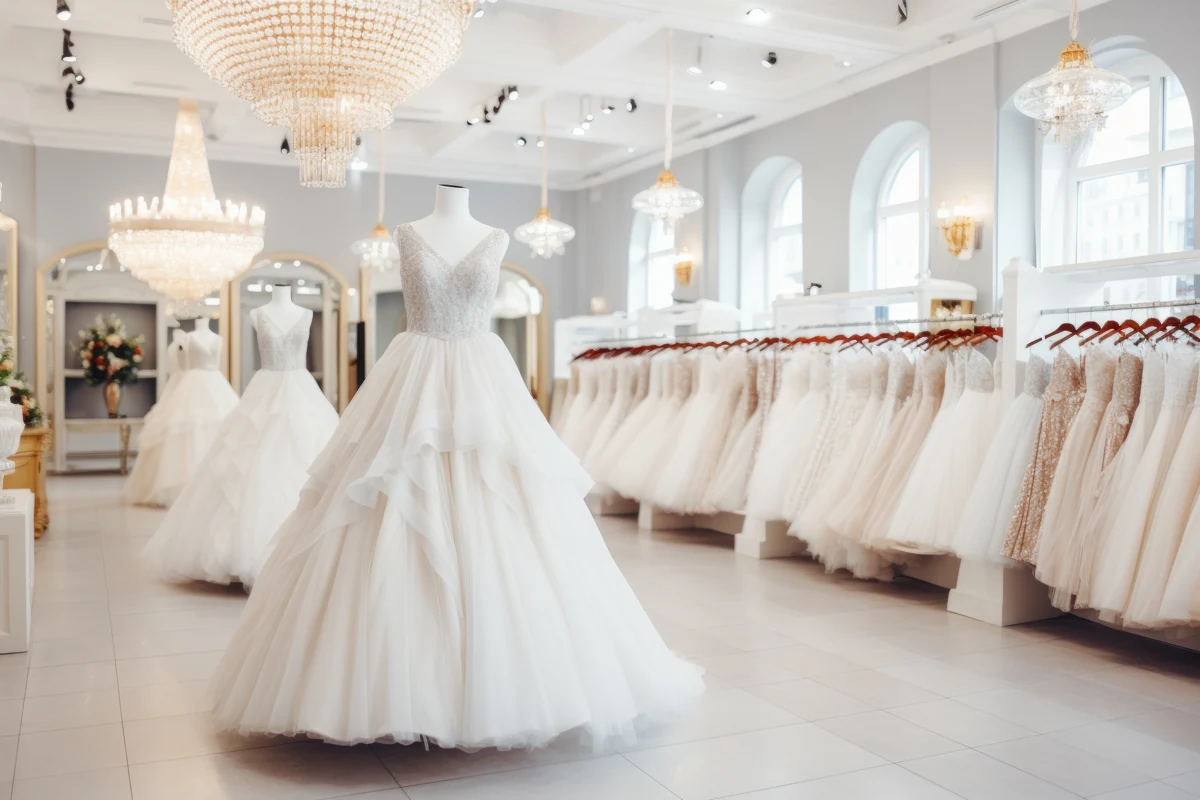
Following World War II, weddings in America exploded in both scale and sentiment. Prosperity rose. Domestic ideals crystallized. The American bride became a cultural icon unto herself, cinched at the waist, veiled in fine lace, crowned with hope. She was a symbol of national renewal as much as personal joy.
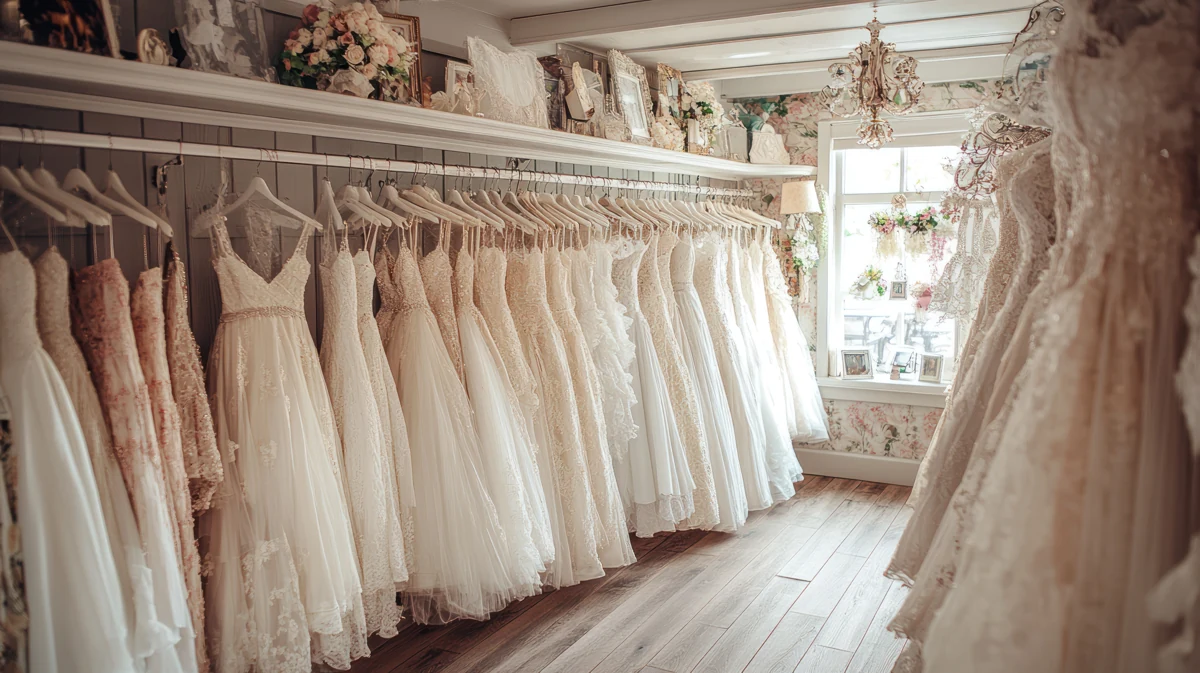
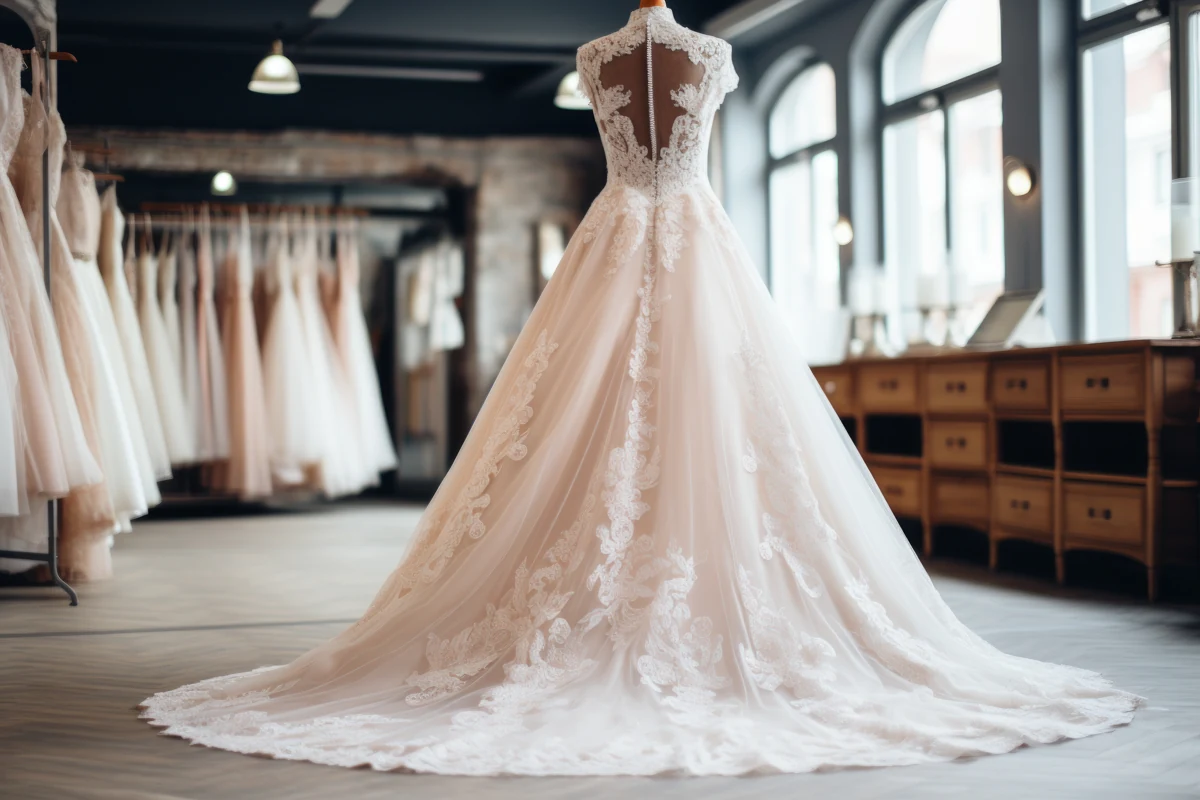
Designers answered the call with fervor. The blank canvas of white invited extraordinary artistry. Silk, tulle, chiffon, and intricate embroidery converged to tell each bride’s singular story. This era gave rise to the department store wedding gown, the bridal salon, and the bridal magazine, institutions that, through the twin forces of print media and stunning photography, spread inspiration and aspiration across the country at dizzying speed. The wedding was no longer a private affair. It was a moment to be witnessed, coveted, and remembered.
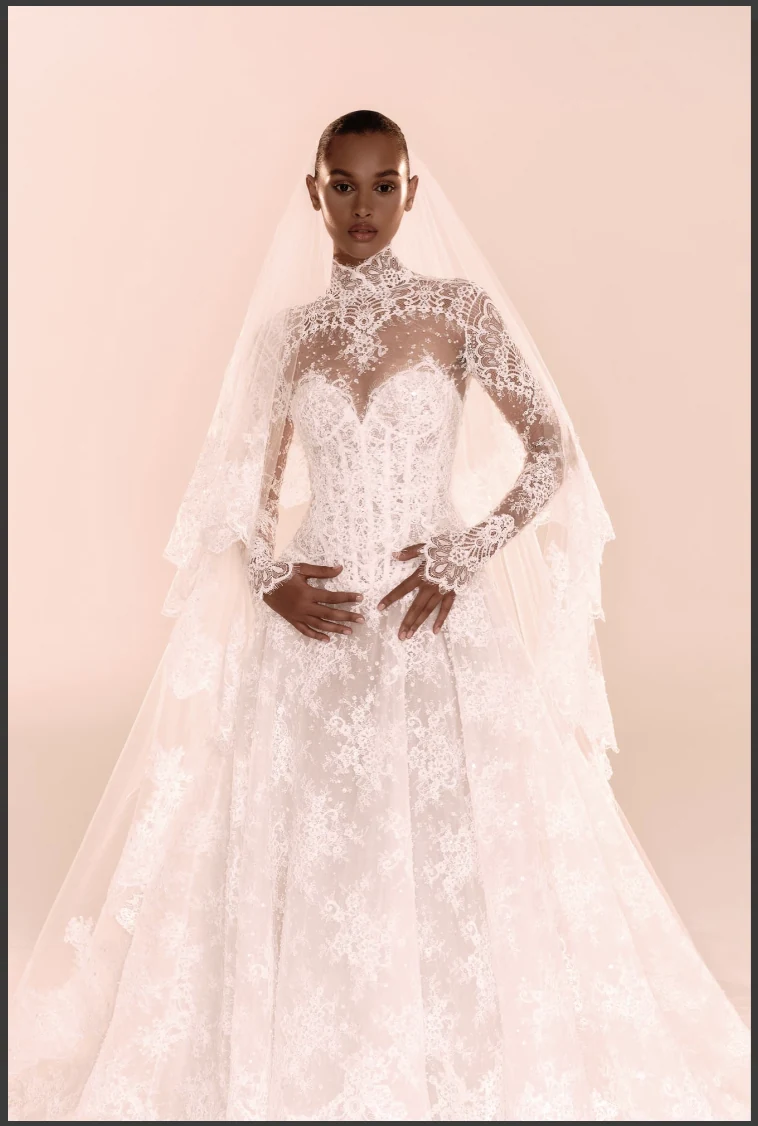
Iconic Brands and Designers
As bridal fashion matured, it attracted visionaries who understood that a wedding gown is never merely a garment. It is a declaration. Some of the most consequential voices in American bridal history dared to see the bride not as a type to be dressed, but as an individual to be honored.
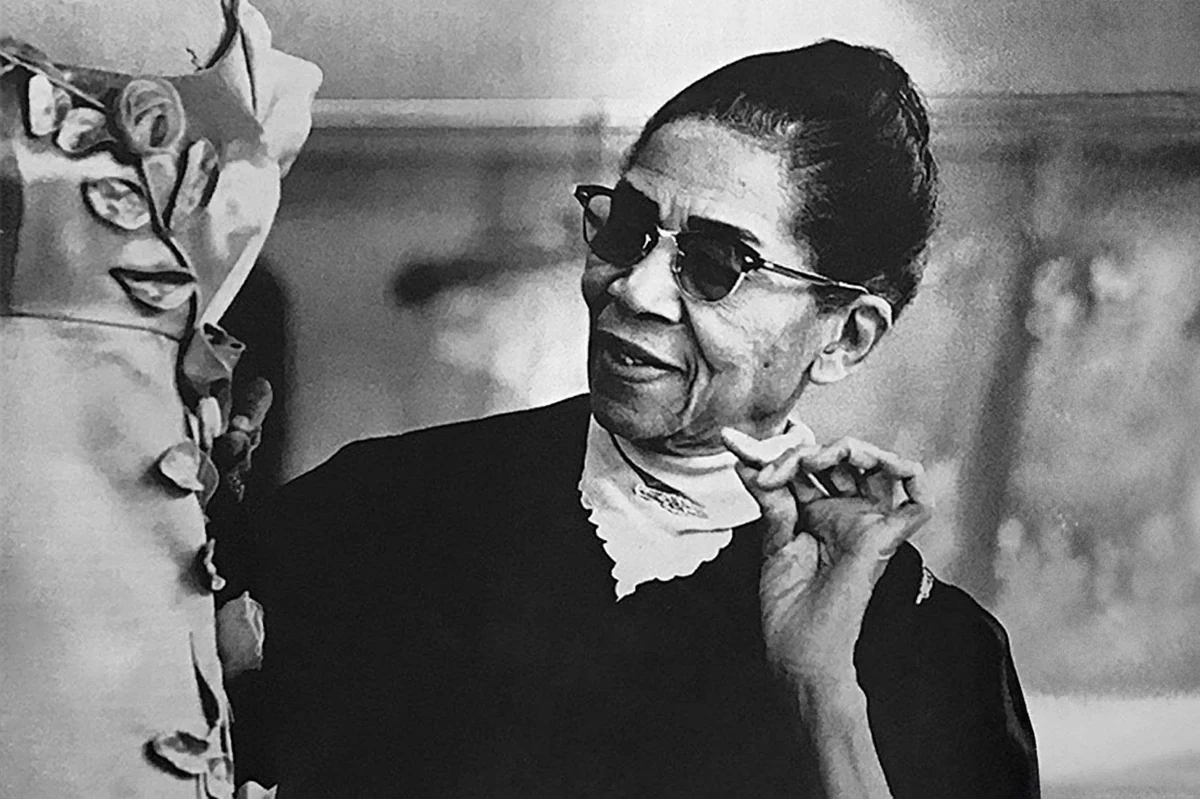
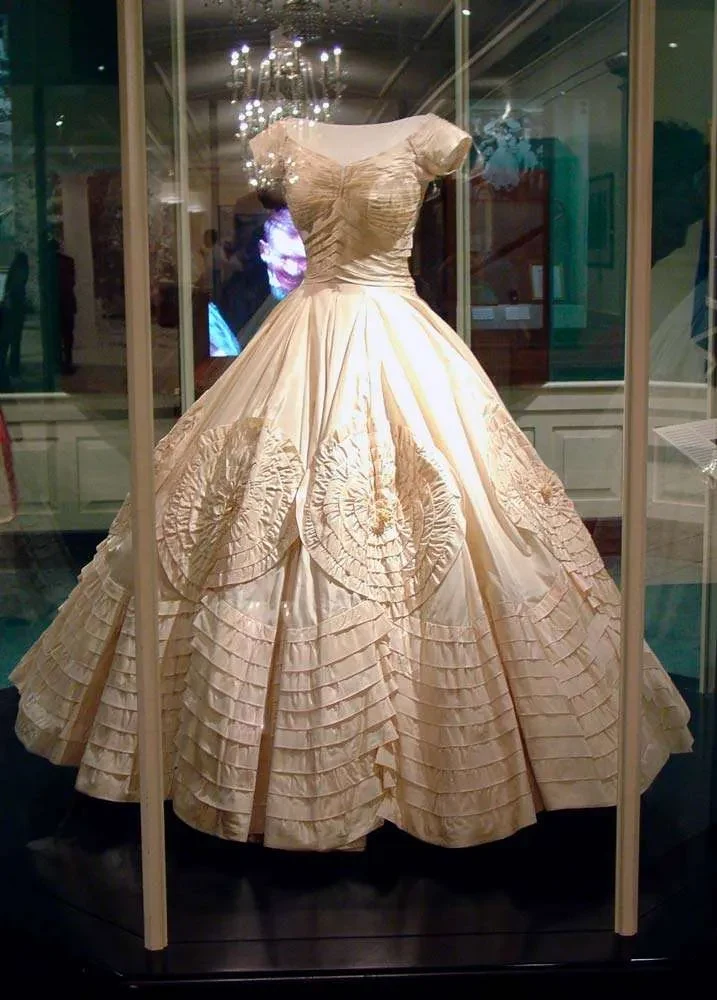
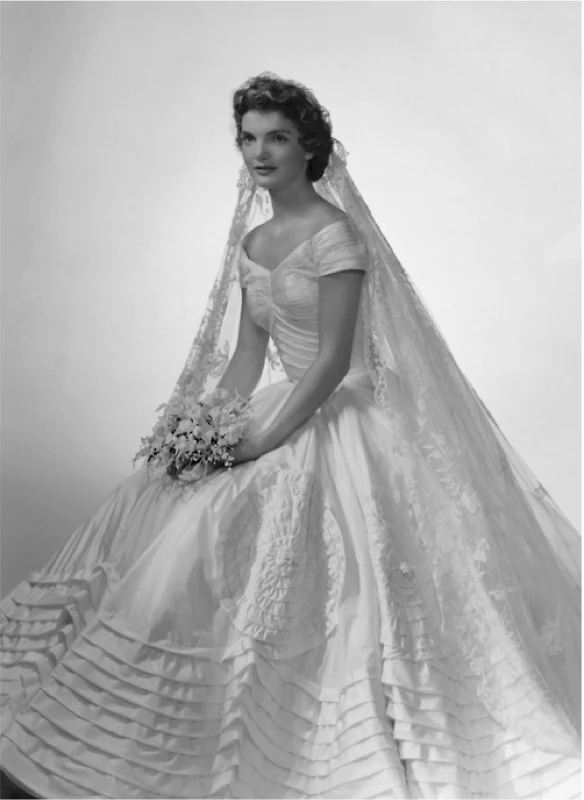
Ann Lowe occupies a singular place in the canon of American fashion, not simply as a designer of extraordinary skill but as a woman of profound courage. Born in Clayton, Alabama in 1898, Lowe rose from a segregated design school (where she was required to study in a room alone) to become the first African American couturier on Madison Avenue. In 1953, she was commissioned to create Jacqueline Kennedy’s wedding gown, a gown of fifty yards of ivory silk taffeta, its bodice a marvel of interwoven tucking and its full skirt a study in disciplined grandeur.
She was not publicly credited for her work until years later. The dress became one of the most photographed wedding gowns of the 20th century; the designer behind it remained, for too long, the industry’s best kept secret. Ann Lowe’s legacy is a glass ceiling shattered in silence, and her story deserves to be told loudly.
Vera Wang redrew the silhouette of the modern bridal imagination. Her gowns, swept in endless tulle, pooled in soft chiffon, stripped of fuss and saturated in romance, offered the contemporary bride something she had not known she needed: femininity without apology and elegance without rigidity. Wang became the foremost authority on the fashion forward bridal aesthetic, her name synonymous with the ultra feminine, the effortless, and the sublime.
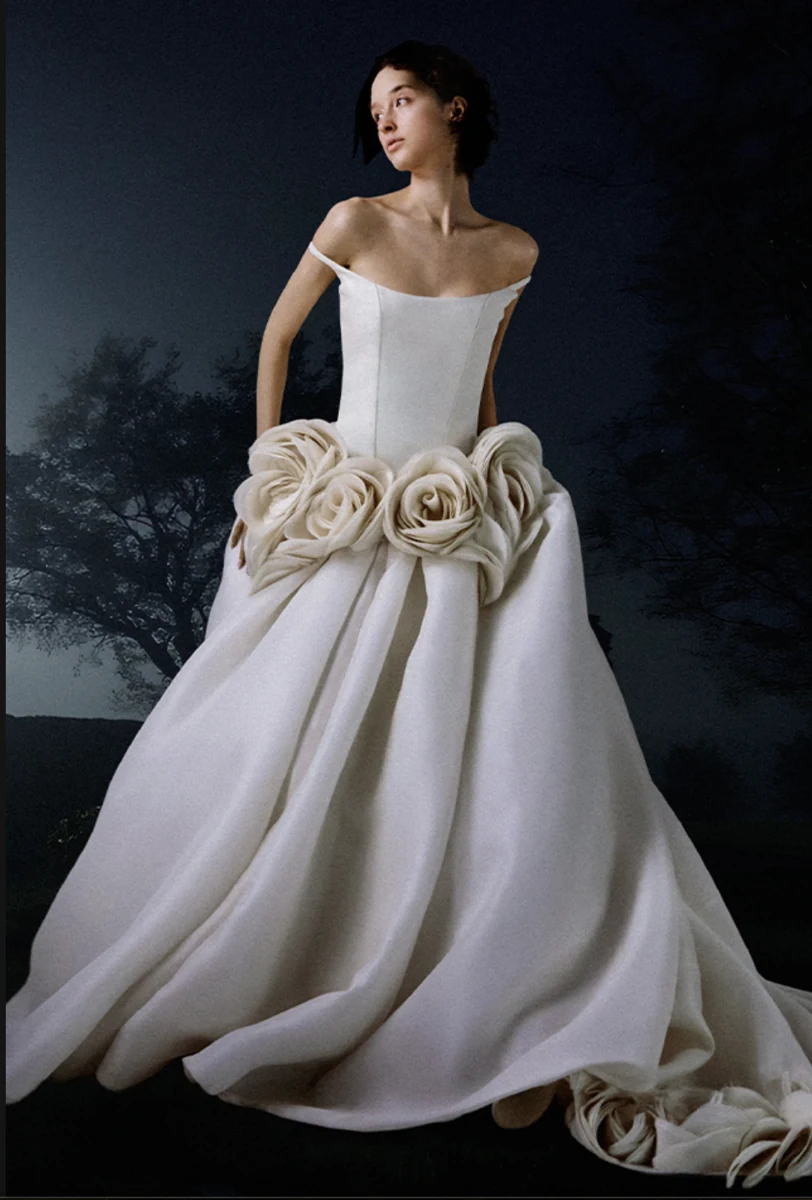
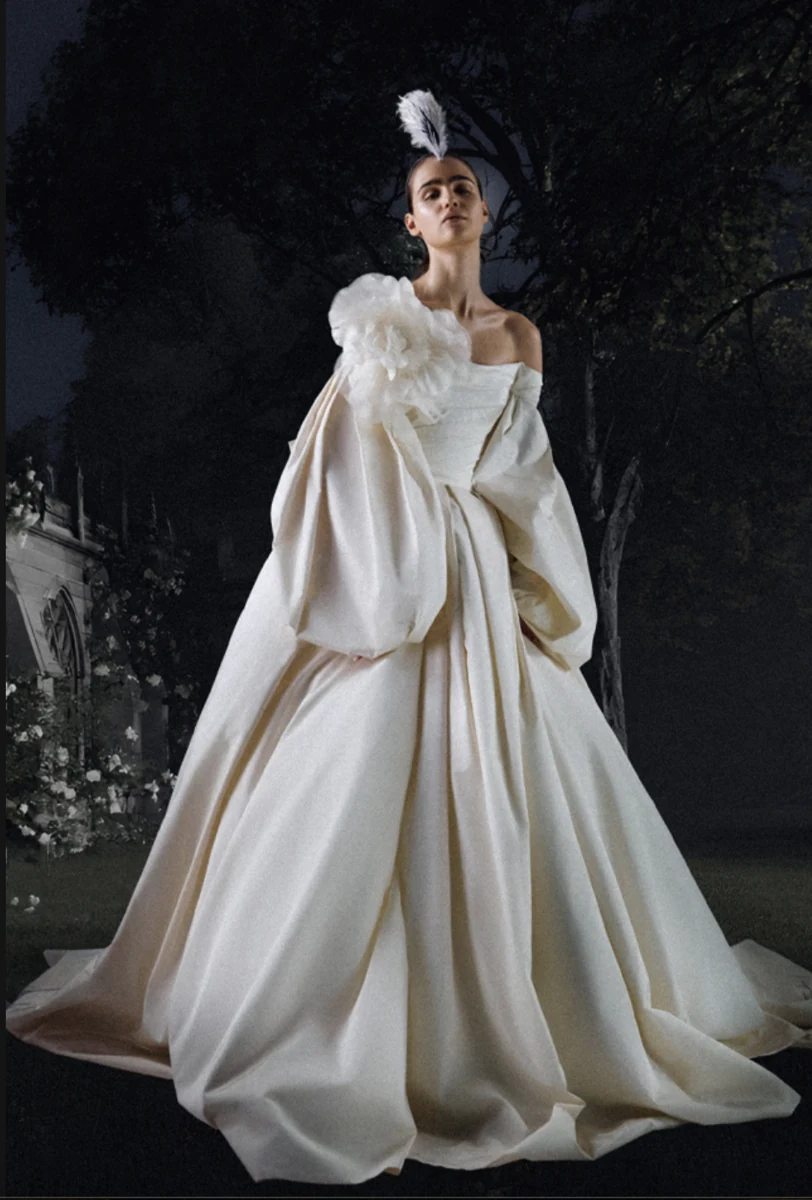
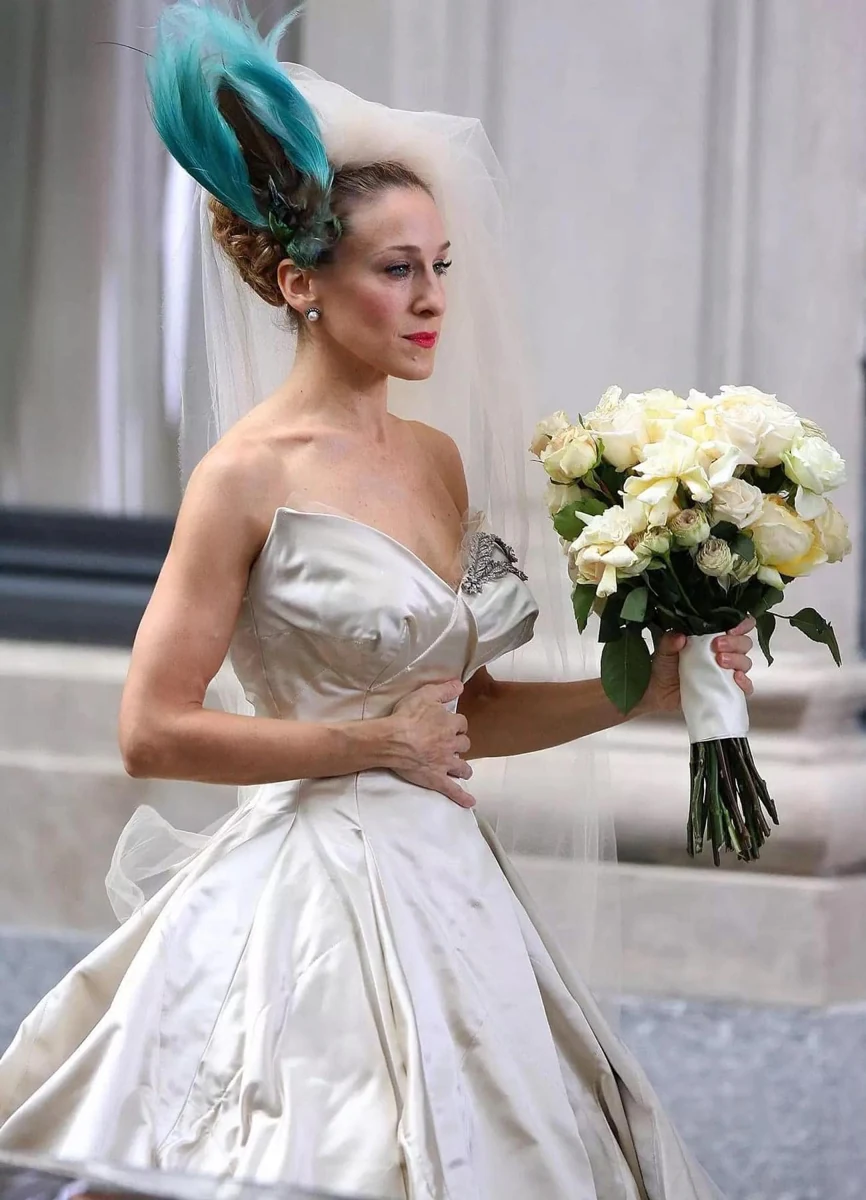
Though British by origin, Vivienne Westwood left her imprint on American bridal culture through a single fictional bride. The corseted ivory masterpiece she designed for Carrie Bradshaw in Sex and the City (2008), a heavily draped tiered creation drawn from her Fall/Winter 2007 Gold Label collection, became one of the most iconic bridal looks in popular culture. Westwood’s gown was not merely a dress; it was a personality tightly wrapped and pinched like a peony. It pushed the American bridal market toward bold, fanciful, and architecturally daring structures that dared the bride to be extraordinary.
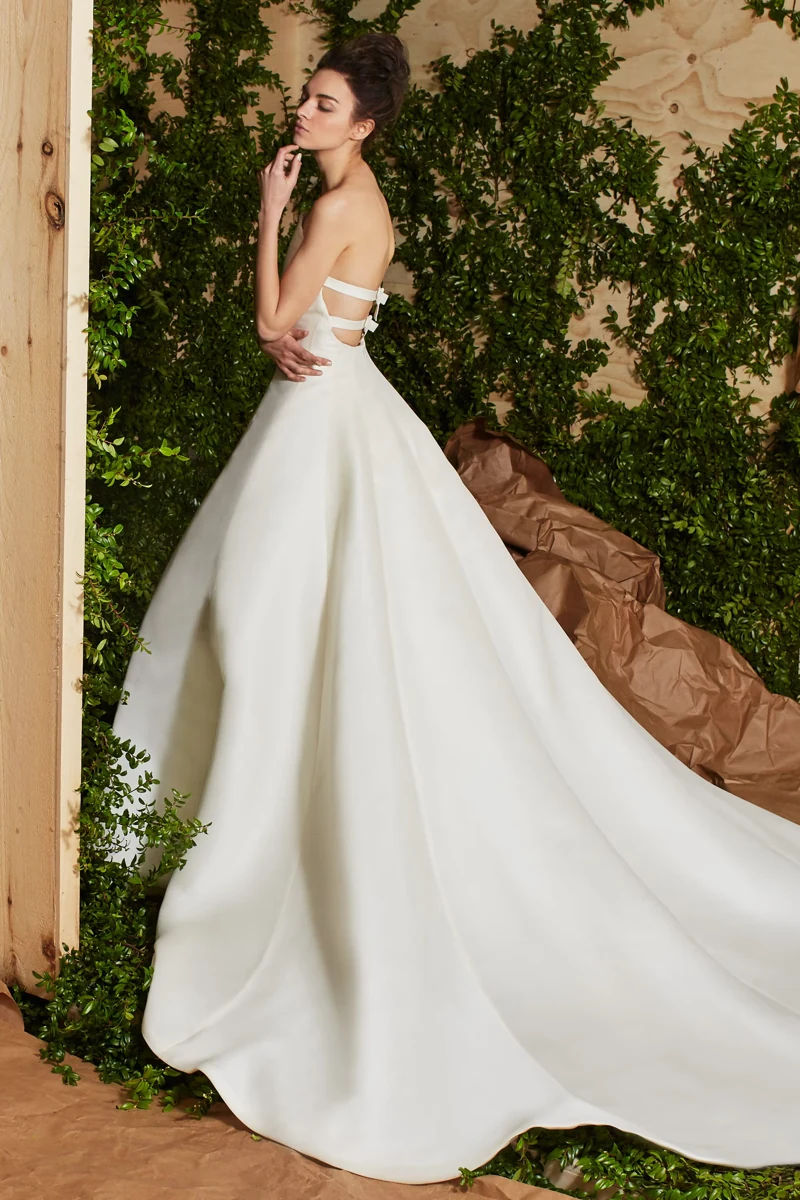
Carolina Herrera brought the bride home to herself. Her bridal work is built on the philosophy of seamless elegance: nothing extraneous, nothing performative. Traditional femininity, rendered with absolute precision. A Herrera bride does not need to announce her arrival. The gown does it for her, softly and with complete authority.
Oscar de la Renta was the ambassador of European sensibility in the American bridal market. His gowns carried the sophisticated vocabulary and refined architecture of classic couture to brides who understood that dressing well is a form of reverence. His legacy endures in every bridal look that stands to be both grand and intimate at once.
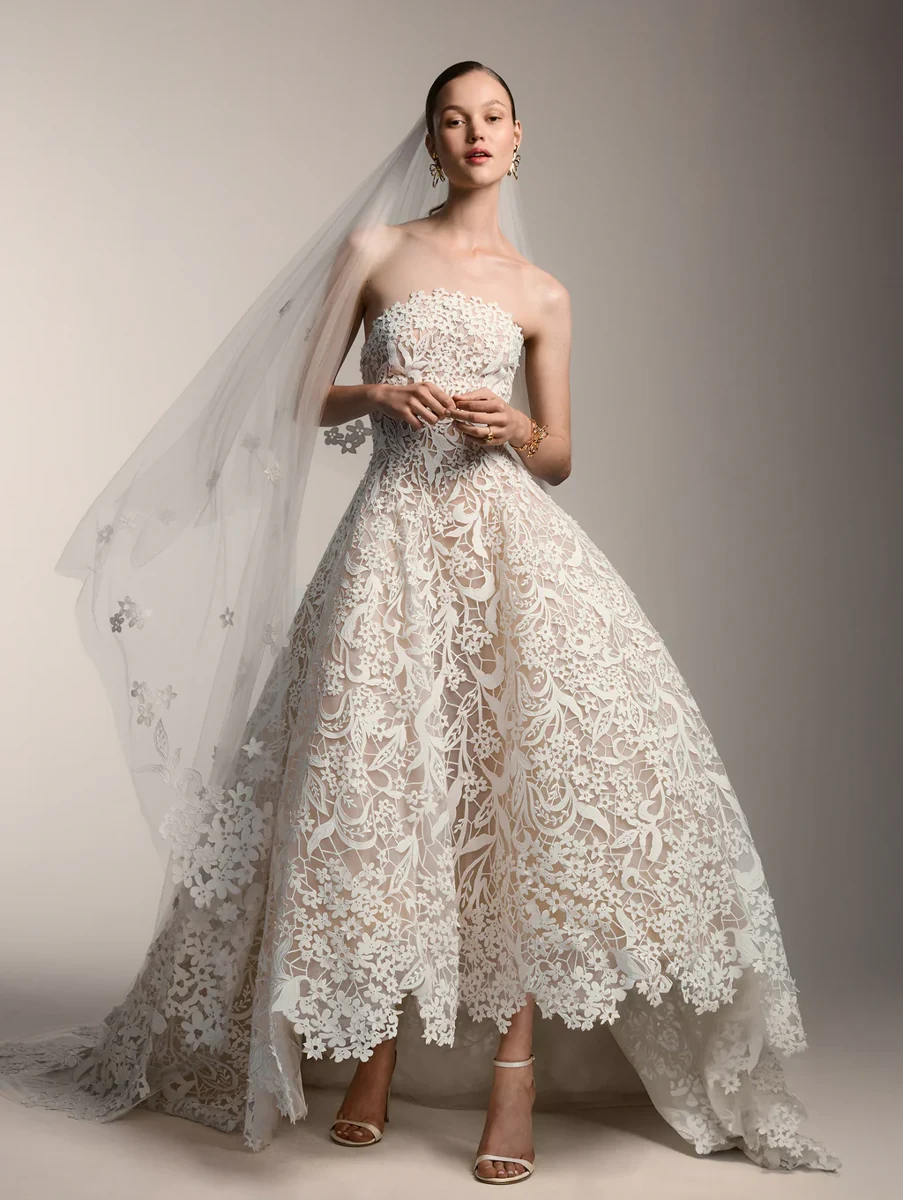
To wear Monique Lhuillier is to wear a garden in full bloom. Her aesthetic, whimsical, floral, and unapologetically romantic, has made her one of the most sought after designers in the bridal world. She creates gowns that feel as though they were dreamed rather than drafted, and brides who discover her rarely return to anyone else.
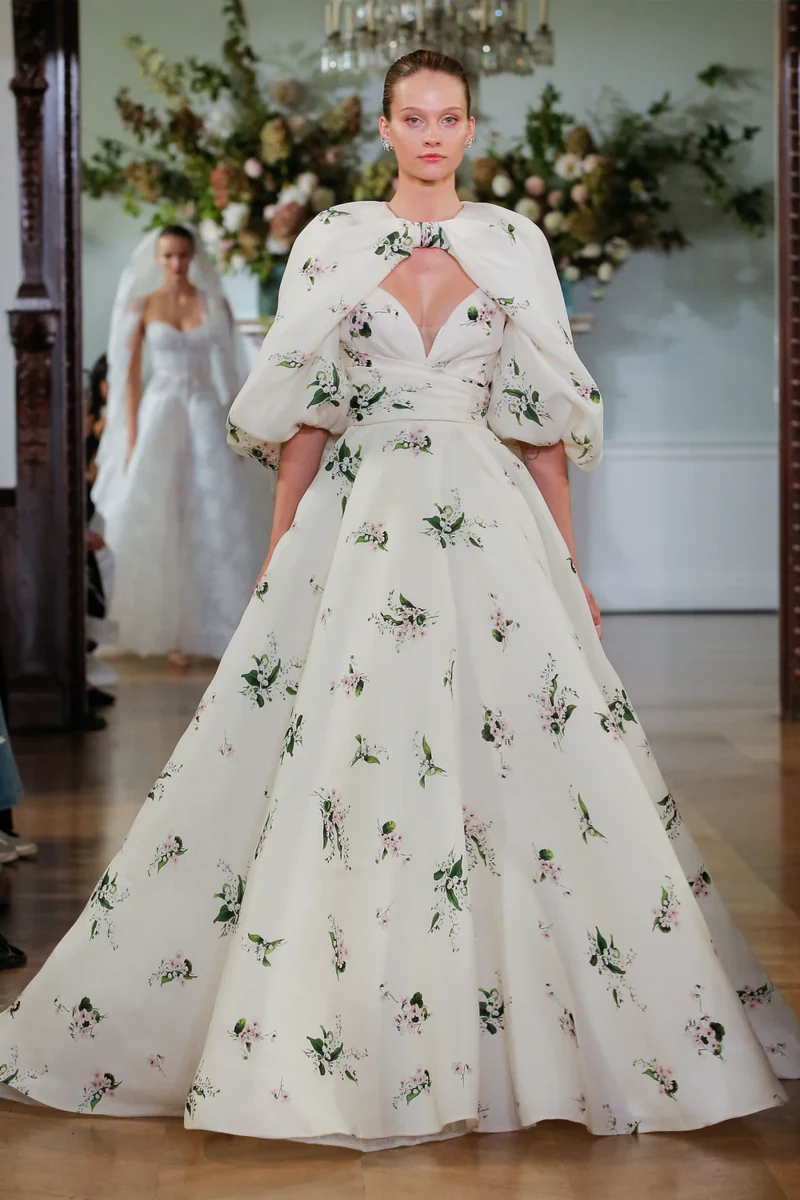
Luxury Houses in the Bridal Space
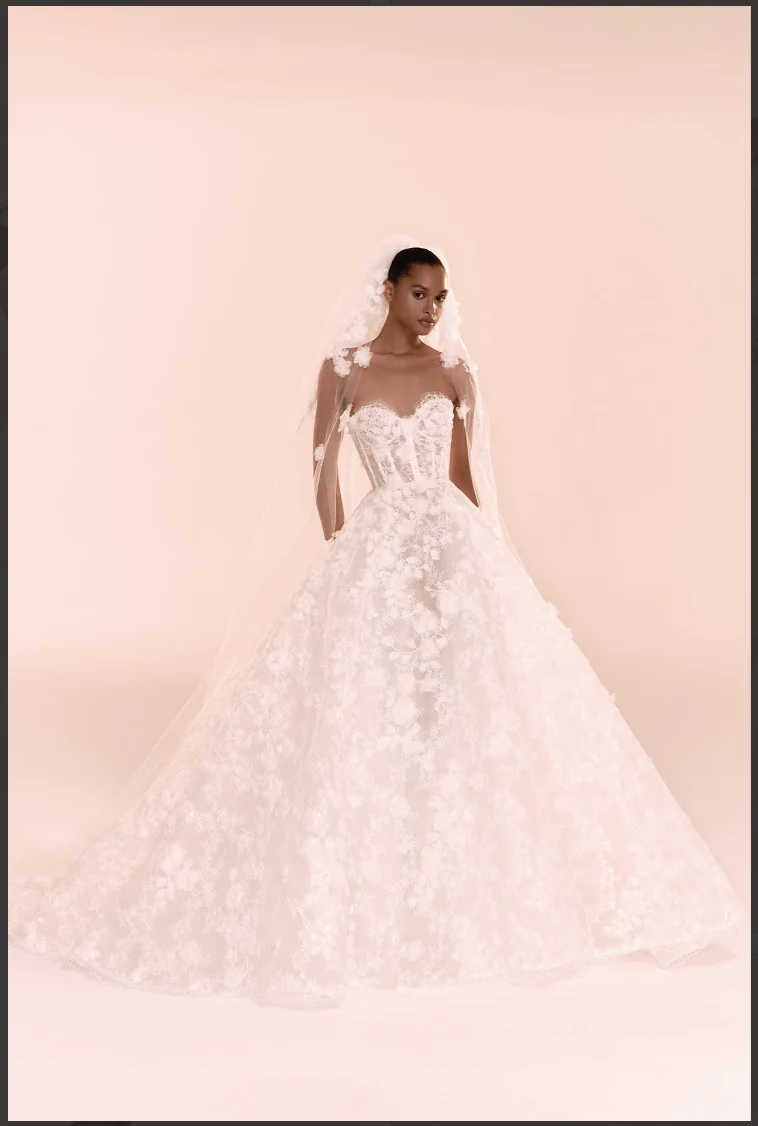
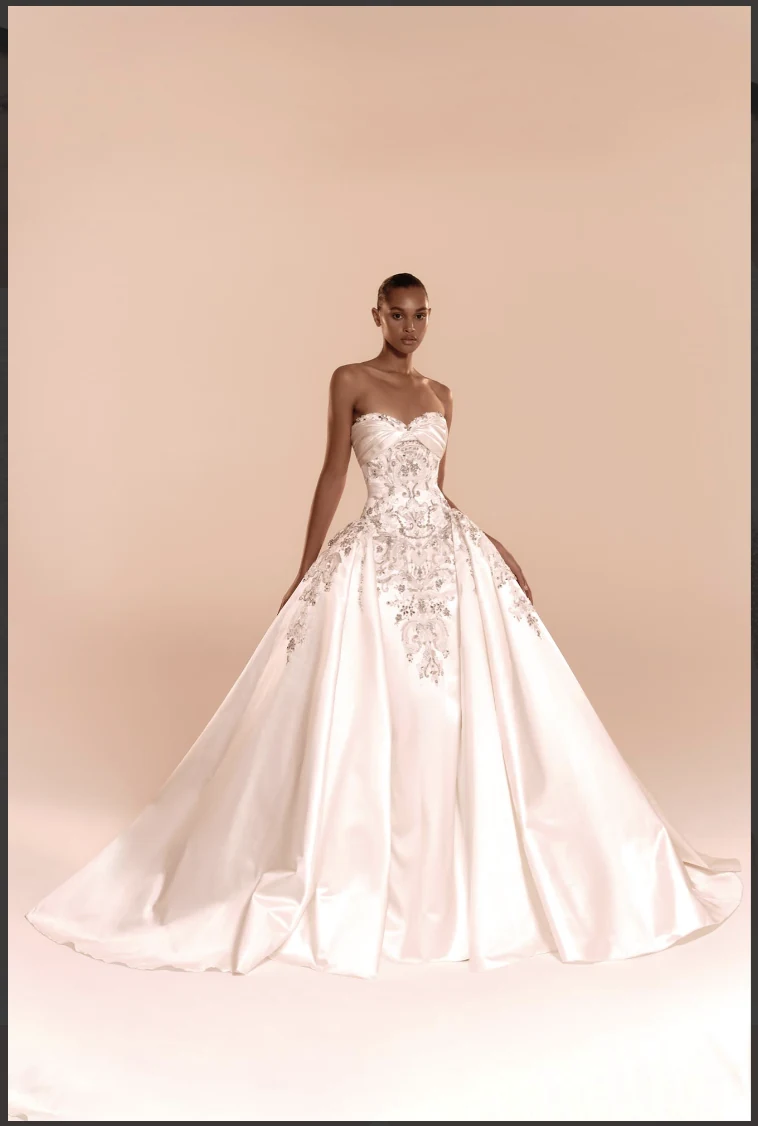
As the great luxury houses turned their gaze to bridal, the wedding gown ascended to its rightful place as the ultimate expression of haute couture. The finale of a runway show has always been its emotional apex, and few images rival the spectacle of a bride descending the catwalk in the crowning creation of a designer’s highest ambition.
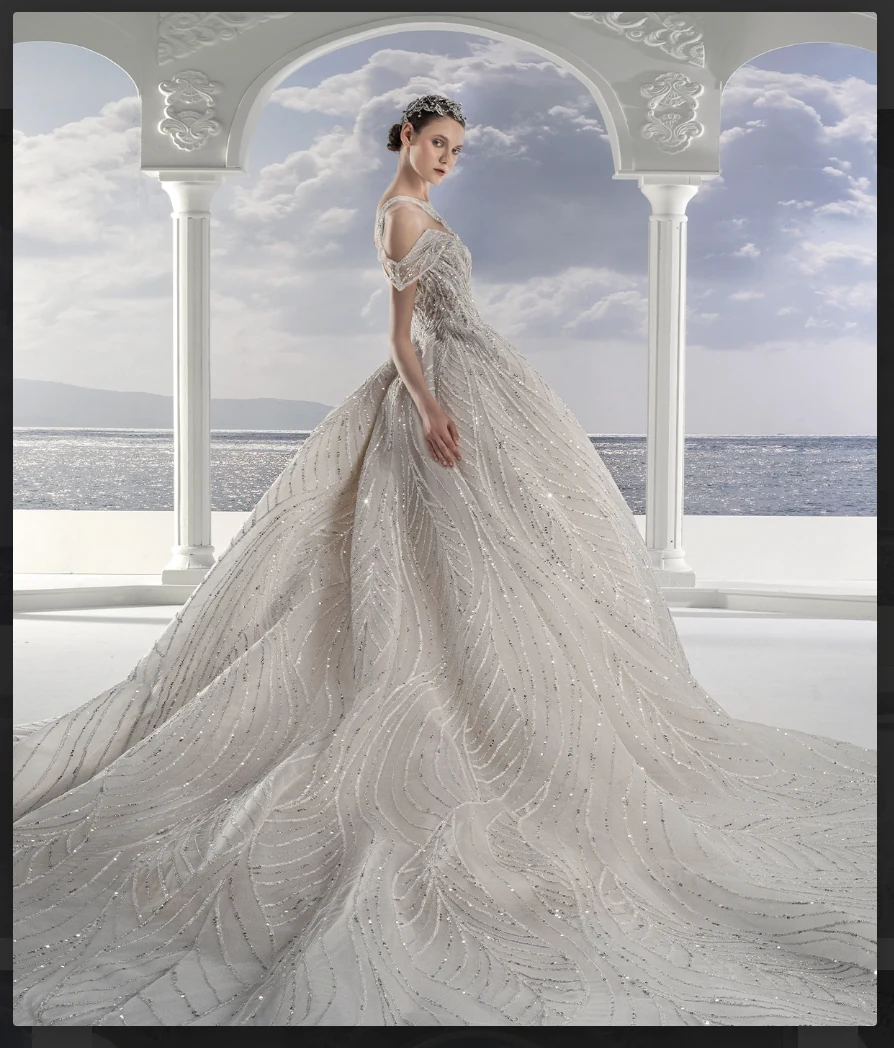
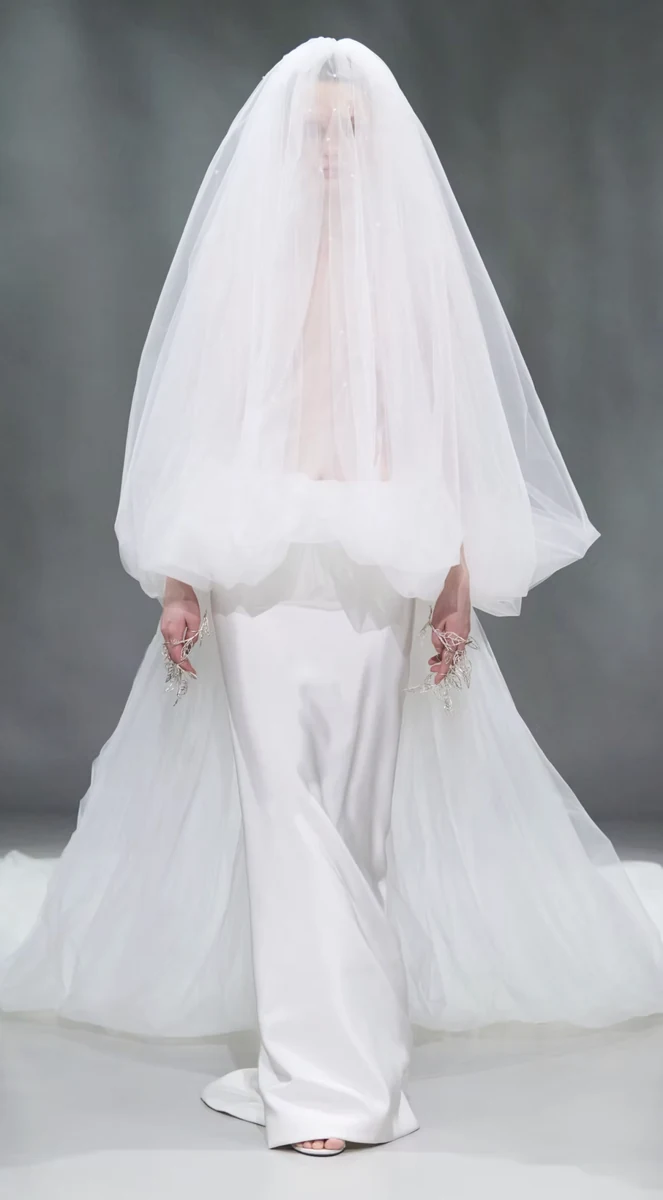
Ziad Nakad, Lebanese couturist, conjures garments of sheer imperial magnificence. His brides are not merely dressed. They are transformed. Goddess and fairy exist simultaneously in his creations, and grace and fierceness occupy the same exquisite seam. His work does not whisper. It proclaims.
Antonio Grimaldi, Italian native, achieves something that most designers only gesture toward: the brilliant, seemingly impossible fusion of architectural form and floral daintiness. His gowns are paradoxes made wearable, structured yet ethereal and precise yet dreamy. He belongs to that rare category of couturists whose work reads as inevitable, as though no other form could have existed.
Guo Pei, amongst artists and designers alike, is held in the highest and most reverential regard. Her gowns are not fashion. They are museum pieces, living archives of the glory of Chinese heritage, royalty, and fantasy. To be dressed by Guo Pei is to be wrapped in centuries of story. Her work demands to be witnessed, and rewards witness with awe.
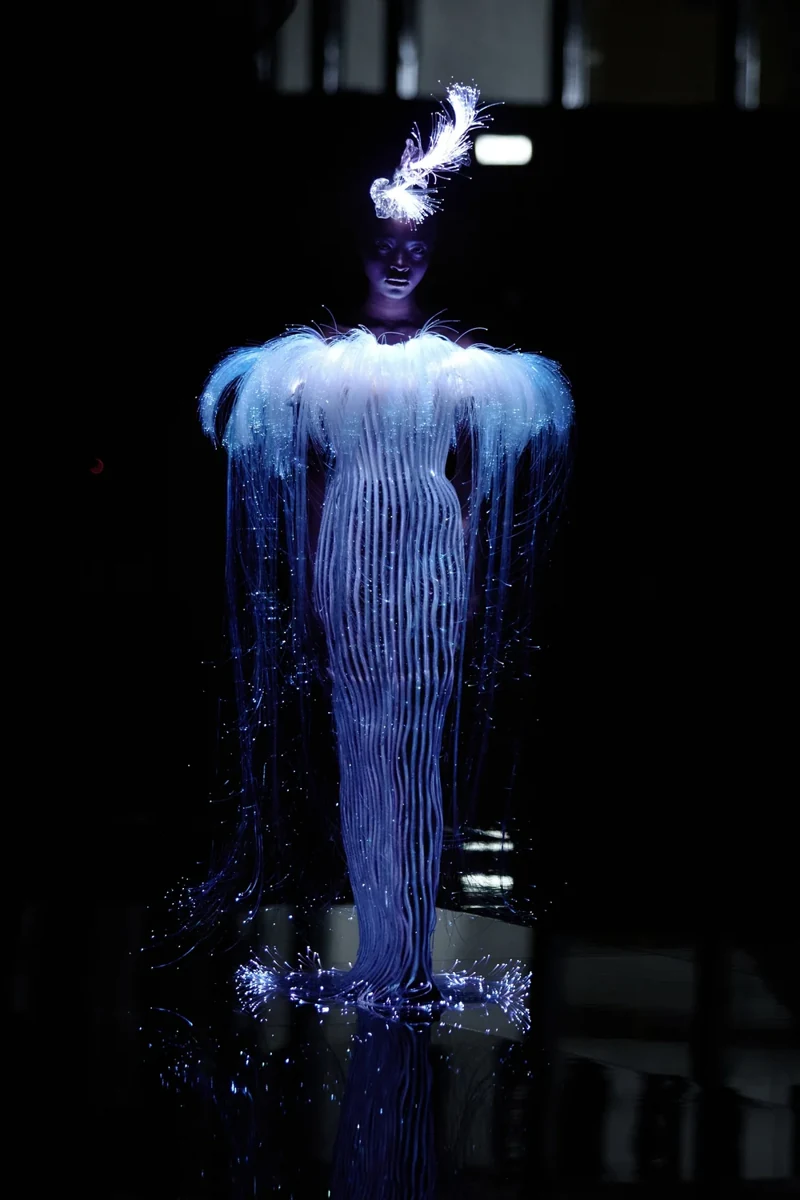
The Modern Shift Breaks the Mold
Today, the aisle belongs to the individual. As women’s ideas broadened and their roles expanded, so too did their vision for how they wished to be seen on the most documented day of their lives. Shorter hemlines, pantsuits, bohemian silhouettes, minimalist slip dresses, bold color and no color at all—expanded the spectrum of the bridal landscape and that spectrum is stunning.
What drives this market now is not clever advertising. It is conviction. American brides are increasingly guided by what is meaningful: sustainable practices, cultural fusion and anti-traditional gestures that honor their own story rather than someone else’s. Representation matters on the runway and at the altar in equal measure. The modern bride is not rebelling against the past. She is simply claiming her right to author her own chapter within it.
More Than a White Dress
At its core, the American bridal market has always been a portrait of women in the world, their aspirations, their freedoms, their constraints, and their courage. Each era’s gown tells a deeper story: about expression and independence, about romance and economy, about identity and the enduring human desire to mark the sacred with beauty.
The white dress holds heirloom status not because it is mandated, but because it carries memory. Queen Victoria pioneered the moment. The modern bride reinterprets it. And generation after generation, that gown, simple, striking and unforgettable, passes from one story into the next, carrying within its folds something that fashion, at its very best, has always known how to hold: the eternal.