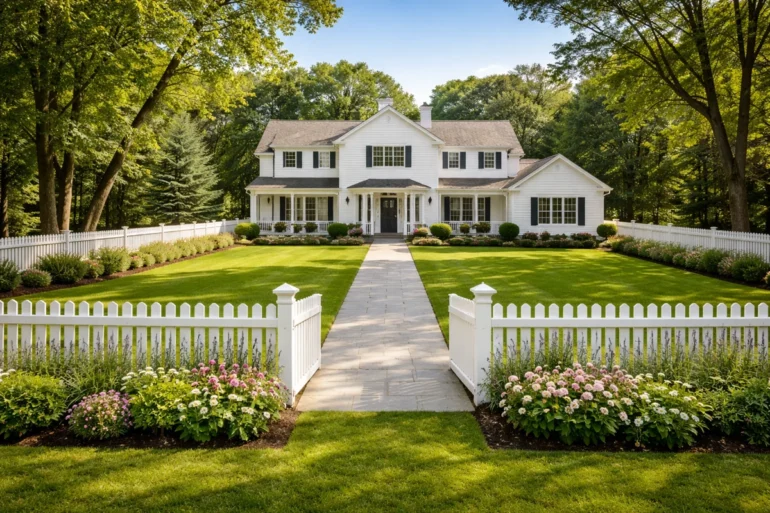
Many couples sit across from me with a beautiful dream. They describe it almost the same way every time—a beautiful house with a fence. Three to four bedrooms, two bathrooms, a large kitchen for holiday gatherings, a dining room for family dinners, a finished basement, and a backyard with a swing set or maybe a pool for the kids.
It’s a wonderful vision, and those homes absolutely exist. The challenge is that, in my experience, more than half the couples I meet cannot comfortably afford that kind of home. It’s not because they are irresponsible or unrealistic. Most are working full time, educated, managing debt, and doing everything right. But wages have not kept pace with rising home prices, and higher interest rates have significantly reduced affordability.
Access to generational wealth has also become more uneven, making it harder for many couples to rely on family support for down payments or financial stability. Income disparities further widen the gap. According to recent data from the U.S. Census Bureau (2020–2024 estimates), While some White and Asian households are reaching or exceeding six-figure incomes in certain markets, Black and Hispanic households, on average, are still earning significantly less. That difference shows up clearly in pre-approvals, down payments, and who can realistically compete in a bidding war.

At the same time, the definition of a “starter home” has shifted. What was once a first step is now often a long-term home. The gap between what couples envision and what they qualify for isn’t about effort—it’s about economics and how it has evolved over time. Add to that zoning restrictions that limit housing supply, tax policies that favor existing homeowners, and, in many markets, competition from corporate investors, and the path becomes even more complex.
For brides planning both a wedding and a future, this can feel discouraging. I’m often asked, “Should we wait? Should we rent longer? Do we need to save more?”
What I tell them is this: you don’t have to have everything figured out to start. Begin with what you can control. Strengthen your credit. Pay down debt where possible. Save consistently, even if the amount feels small. Sit down together and have honest conversations about your budget and priorities. And most importantly, speak with a lender early—not when you’re ready to buy, but when you’re ready to prepare. Clarity changes everything. Homeownership is still possible. But today, it often starts smaller and requires thoughtful, long-term decisions.