There aren’t many spirits with as storied a history as absinthe. Combining various plants and herbs into one extraordinarily tasteful combination, absinthe has ebbed and flowed in popularity over the past several centuries.
Emerging as a refreshing alcoholic beverage in 19th century France, the drink became widely known as the go-to libation for influential artists and academics throughout Europe. By the start of the 20th century, however, the spirit’s controversial reputation and potent APV led to it being banned in most of the continent and overseas in the United States. Only in recent years has the fabled “Green Fairy” reemerged as a trendy bar-room staple, leading to rapidly increasing demand among alcohol consumers the world over.
But what exactly is absinthe? How did it go from the drink of choice of the Lost Generation, to being outlawed for a century, back to being one of the hottest spirits of the modern era? And perhaps most importantly, which absinthe brand and absinthe cocktails should you specifically make an effort to try?
So, What Exactly Is Absinthe, Anyway?
Like most spirits, absinthe is derived from a myriad of plants and herbs, specifically rooted in the “holy trinity” of grand wormwood, green anise, and sweet fennel, along with some other potential herbs like mint or lemon for added color and flavor.
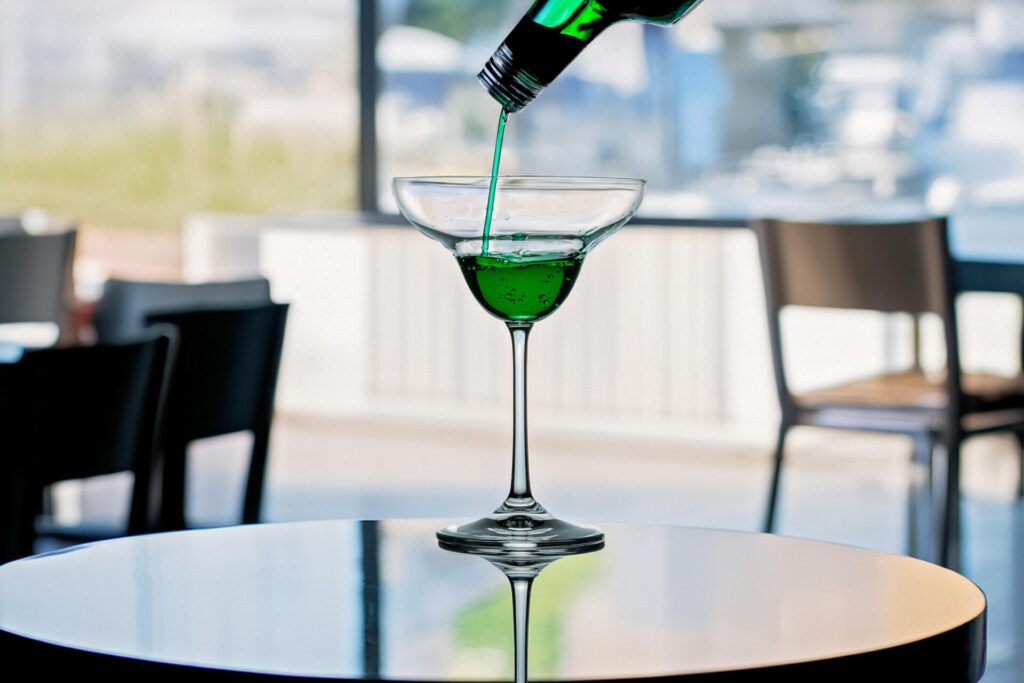
While the spirit can appear colorless, most absinthe brands feature the distinct green hue that gives the spirit its notorious nickname: The Green Fairy. At its base, it’s an incredibly potent spirit with an average APV of 45% to 75%. (For reference, a run-of-the-mill vodka has about 40% alcohol, while a particularly strong whiskey might climb as high as 50%.)
The Peak Years of Absinthe’s Reign
Though initially created sometime in late 18th century Switzerland, absinthe didn’t become a “fashionable” drink until the latter years of the 19th century. Due to its high alcohol content and comparatively fresh history, many trend-setting Parisians began looking to the spirit as the next big thing to sip on in numerous drinking halls throughout France.
By the turn of the century, absinthe had become every bit as trendy as it was controversial. Because of its high APV and attention-grabbing reputation, many artists, writers, and bohemians living in Europe at the time began indulging in the anise-based liquor, including Lewis Carroll, Ernest Hemingway, and James Joyce, among many others.
Right around this time, ordinary people began to fret over absinthe’s supposed “addictive” qualities and alleged hallucinogenic properties. Today, our understanding of absinthe has shown that most of these fears were severely exaggerated, with absinthe possessing no psychoactive characteristics aside from the usual effects brought on by strong alcohol. Nevertheless, absinthe’s reputation and connection to bohemian culture led to increased scrutiny as the years went on.
International Ban and Surprising Return
Just as World World One was getting underway, several countries in Europe and the United States outright banned absinthe from store shelves. More than likely, one can attribute this aggressive stance against absinthe to the growing temperance movement of the early 1900s. While most liquors were eventually outlawed in America by the 1920s, Prohibition seemed to strike earlier for absinthe in particular, with several violent crimes attributed to the spirit among multiple nationalities.
For the next century, absinthe remained a sought-after libation, its only appearance seeming to come in movies and television shows, many of which played into absinthe’s alleged psychedelic properties. As more and more experts started to realize absinthe wasn’t nearly as addictive or dangerous as previously believed, several countries loosened their bans on the alcohol, prompting its gradual return to liquor shelves. In 2007, for example, after the U.S. outlawed the spirit in 1912, the ban on absinthe was officially lifted, marking the first time the liquor was sold in the States after a 95 year prohibition.
Brands and Absinthe Cocktails We Recommend Trying
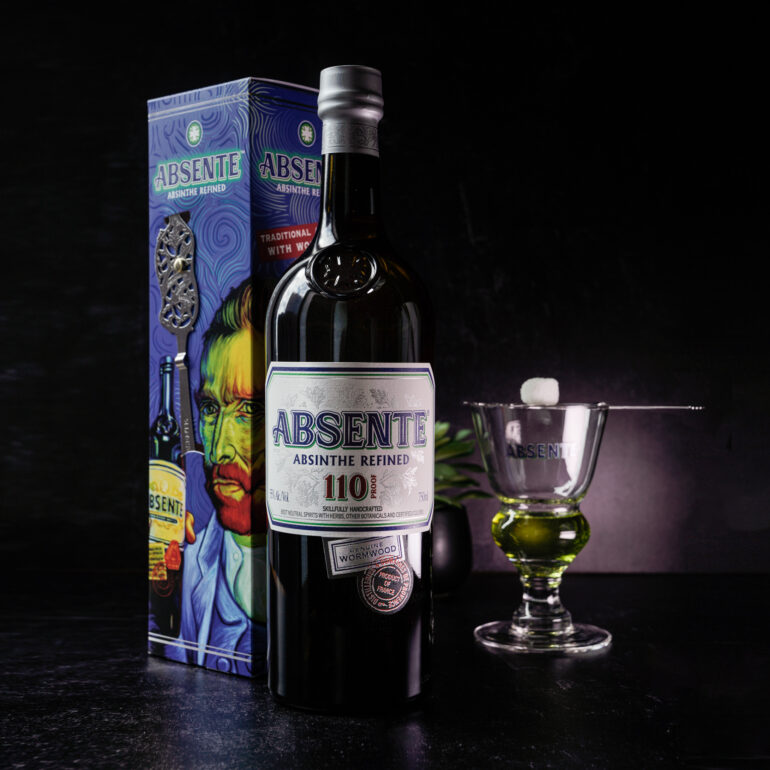
Whereas it was once impossible to find absinthe in most U.S. liquor stores, the spirit has become about as easy to find nowadays as mezcal or premium Scotch whisky. Yet even then, our preferred brands would have to be the esteemed Absente Absinthe, which also happens to be the first absinthe legally sold in the U.S. following the overhaul of the liquor’s ban two decades ago.
As great as Absente and many other well-known brands are in their own right, it’s worth pointing out there are only a handful of ways you can actually drink absinthe. Due to its significant alcohol content, drinking straight absinthe is a massive no-no. Instead, consumers should try drinking absinthe with a healthy amount of water and a cube of sugar (an eye-catching concoction known as an Absinthe Drip).
Alternatively, you can always mix a small amount of absinthe into any number of equally delicious cocktails. A Sazerac, for example, blends absinthe with rye whiskey, sugar, and bitters; Death in the Afternoon calls for chilled champagne and an ounce of absinthe; and an Absinthe Frappe mixes absinthe with anisette and simple syrup to form into a frothy, frappe-style iced beverage.
No matter how you choose to indulge in the spirit, absinthe is a cocktail we heartily recommend trying at least once. Yes, the strong anise flavor might not appeal to everyone, but it’s a classic spirit capable of transporting you back to the days of 1910s Paris, leaving little reason to wonder why van Gogh, Oscar Wilde, and Picasso held this unique liquor in such high esteem.